
By Theo Uy
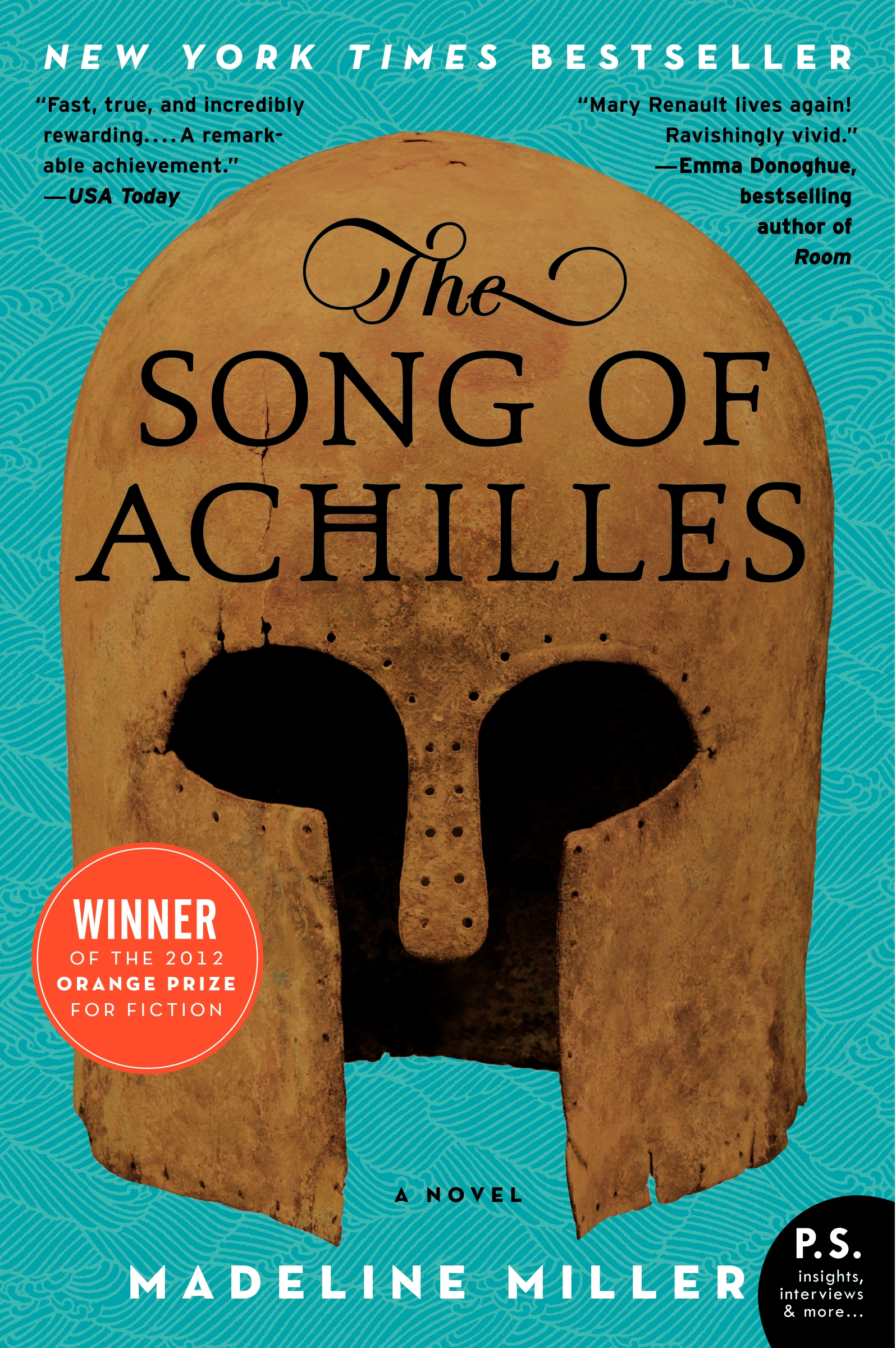
Madeline Miller’s book, “The Song of Achilles”audaciously crafts a piece of literature that perfectly intertwines tragic queer romance with painful societal experiences that all queer people unfortunately relate to. “The Song of Achilles” rests in the intersection between brutality and tender-heartedness. The cost of fame through Achilles’ renowned reputation as well as the concept of fate and destiny are themes Miller investigates in her book. Despite being a well-intentioned person, Achilles grew up with the fatal flaw of pride. This and his relationship with Patroclus creates a more humanized version of the mythologized figure we know today, portraying him as simultaneously powerful and warm-hearted, yet arrogant and self-conscious. Combined with destiny and prophetic speech, “The Song of Achilles” stands as a passionate romance and cautionary tale as Achilles and Patroclus desperately try to find ways to avoid their destiny.
In a hostile world that transcends time periods, moms not liking their children’s boyfriends, and the pursuit of authenticity, are all queer experiences conveyed through the retelling of the Trojan War and how both Achilles and Patroclus influenced its events. In contrast to the arrogance-and-glory-obsessed Achilles, seeing an insecure Patroclus transform into a simultaneously timid yet confident version of himself made my gay little heart sing with glee. This was one of the many reasons “The Song of Achilles” skyrocketed to the top of my favorite books list. The poets rarely sing of Patroclus and the major ways he contributed to the Greeks’ victory against the Trojans. In light of this, the book primarily consists of Patroclus’ perspective, making it a point to accentuate his prowess on the battlefield despite being juxtaposed with charismatic characters such as Achilles who still manages to hog the spotlight. More importantly, the first person narration of Patroclus’ romance with Achilles is also a technique that Miller uses to properly display how their tender friendship continues to blossom into a fully realized romance, instead of staying within the bounds of a platonic relationship like other iterations tend to do.
Miller explores the relationship between Patroclus and Achilles focusing on themes of love and queer relationships. Volcanic arguments, midnight activities, and afternoon cuddles are just the cusp of interactions Miller details. Among the book’s immense collection of romantic experiences, one of my favorite interactions between the two is when Achilles plays the lyre for Patroclus. As a singer and music lover myself, this small act of intimacy adds another string of color into the bloodstained tapestry that is Achilles, painting him in a new light through the eyes of Patroclus. This soft, gentle and considerate version of Achilles contrasts heavily with the heroism and violence he’s associated with.
Conversely, Miller also highlights the tension that arises between Achilles and Patroclus by using Achilles’ reputation and pursuit of kleos (glory in Greek) to highlight the fundamental differences between the two lovers. The potential for the romantic relationship between these two provide an additional facet of their interactions.
Towards the end of the book, Achilles’ refusal to fight in the Trojan war and his obsession with his reputation cost him the lives of his fellow soldiers and the likelihood of the Greeks’ victory. This fatal decision leads to Patroclus’ death. As heart wrenching as this passage is, it’s also another reason why Miller deserves praise for writing this book. You’ll find yourself simultaneously saying “Aww!” at their lovey-dovey moments and staring wide eyed at the pages as Achilles holds Patroclus’ cold body in his arms. It matters not if you have the same gender or life story as Patroclus. No matter the era, readers of all demographics looking for Greek mythology, young adult romance and queer identity can relate to the crumbs of Patroclus’ self-esteem as a child, the ups and downs of romance, and the societal struggles queer people face.
Each sentence Miller writes is filled with intention, acting as strokes of oil paint in a captivating Rococo painting. One example is, “I could recognize him by touch alone, by smell; I would know him blind, by the way his breaths came and the way his feet struck the earth. I would know him in death, at the end of the world.” The grass seems greener when Miller’s the one writing it into existence.
Compared to other authors I’ve read, she somehow makes the act of reading a cinematic experience, which is what sets her apart from her contemporaries. At the end of the story, when Achilles finally gets to meet Patroclus in the underworld, Miller provides vivid visual imagery to deeply engage the readers. She writes, “In the darkness, two shadows, reaching through the hopeless, heavy dusk. Their hands meet, and light spills in a flood like a hundred golden urns pouring out of the sun.” This quote nearly brought me to tears, as I found relief at their long awaited reunion, considering Patroclus was barred from seeing Achilles because their ashes weren’t buried in the same place. Despite the content itself being very emotionally charged, the prose Miller uses to describe it plays an equally important part in maximizing the impact her writing has on me.
Poetic prose and the promise of love and tragedy is what “The Song of Achilles” has in store for its readers. I can only hope you heed my advice and immerse yourself into the intimacy and turbulence that Achilles and Patroclus exemplify. After all, queer love can touch the souls of all readers because love is something that we can all relate to.




Leave a Reply